🪁 Kitesurf Capital of the Caribbean

CabareteUntamed.

Where the Atlantic trade winds blow strong and the beach never sleeps — Cabarete is the north coast's wildest, most electric destination.

Dec–Apr
Best Kite Season
18–25kn
Average Wind Speed
3km
Beach Length
20min
From Puerto Plata Airport
27°C
Average Water Temp
About Cabarete

The beach town that never stands still

Cabarete sits on a sweeping bay on the Dominican Republic's north coast, about 20 minutes east of Puerto Plata airport. What started as a quiet fishing village transformed in the 1980s when windsurfers discovered that the bay's geography creates near-perfect conditions — steady Atlantic trade winds, a long sandy beach, and a reef that tames the waves just enough to make learning manageable.

Today Cabarete is one of the most visited towns on the north coast, drawing kitesurfers, surfers, and backpackers from around the world. The main beach road is lined with restaurants, bars, dive shops, and kite schools. At night the same stretch comes alive with music and open-air bars that keep going until well after midnight.

Despite its international reputation, Cabarete still feels authentic. Local families run many of the best restaurants. Dominican music competes with reggaeton on the beach. And the fishing boats still go out early every morning, regardless of how loud the party got the night before.

📍 Getting to Cabarete

  • From Puerto Plata (POP) airport ~20 min
  • From Puerto Plata city ~25 min
  • From Sosúa ~10 min
  • From Santiago airport ~2 hrs
  • From Santo Domingo ~4.5 hrs

🗓 Best Time to Visit

  • Kitesurfing (best winds) Dec–Apr
  • Surfing (biggest swells) Nov–Feb
  • Least rain Jan–Mar
  • Quietest / cheapest May–Jun
  • Avoid hurricane season Aug–Oct
Things to Do

What Cabarete does best

From world-class watersports to beachside rum bars — there's no shortage of ways to fill a day in Cabarete.

01
🪁

Kitesurfing

Cabarete Bay is one of the top kitesurfing destinations in the world. The consistent trade winds, warm water, and sandy bottom make it ideal for beginners and pros alike. Dozens of certified schools operate on Kite Beach, just west of the main strip. Expect to pay around $150–200 USD for a beginner course.

April–December best Full Kitesurfing Guide →
02
🏄

Surfing

Playa Encuentro, just 3km west of Cabarete, is the Dominican Republic's best surf break. The reef produces consistent waves year-round, with the biggest swells arriving November through February. Several surf schools operate here, and the vibe is relaxed and friendly even on busy days.

Nov–Feb best swells
03
🤿

Snorkelling & Diving

The reef running along Cabarete Bay shelters a healthy coral system with plenty of tropical fish, rays, and the occasional sea turtle. Several dive shops on the main road offer half-day snorkel trips and PADI certification courses. Day trips to the nearby Sosúa reef are also easily arranged.

Year round
04
🌊

Windsurfing

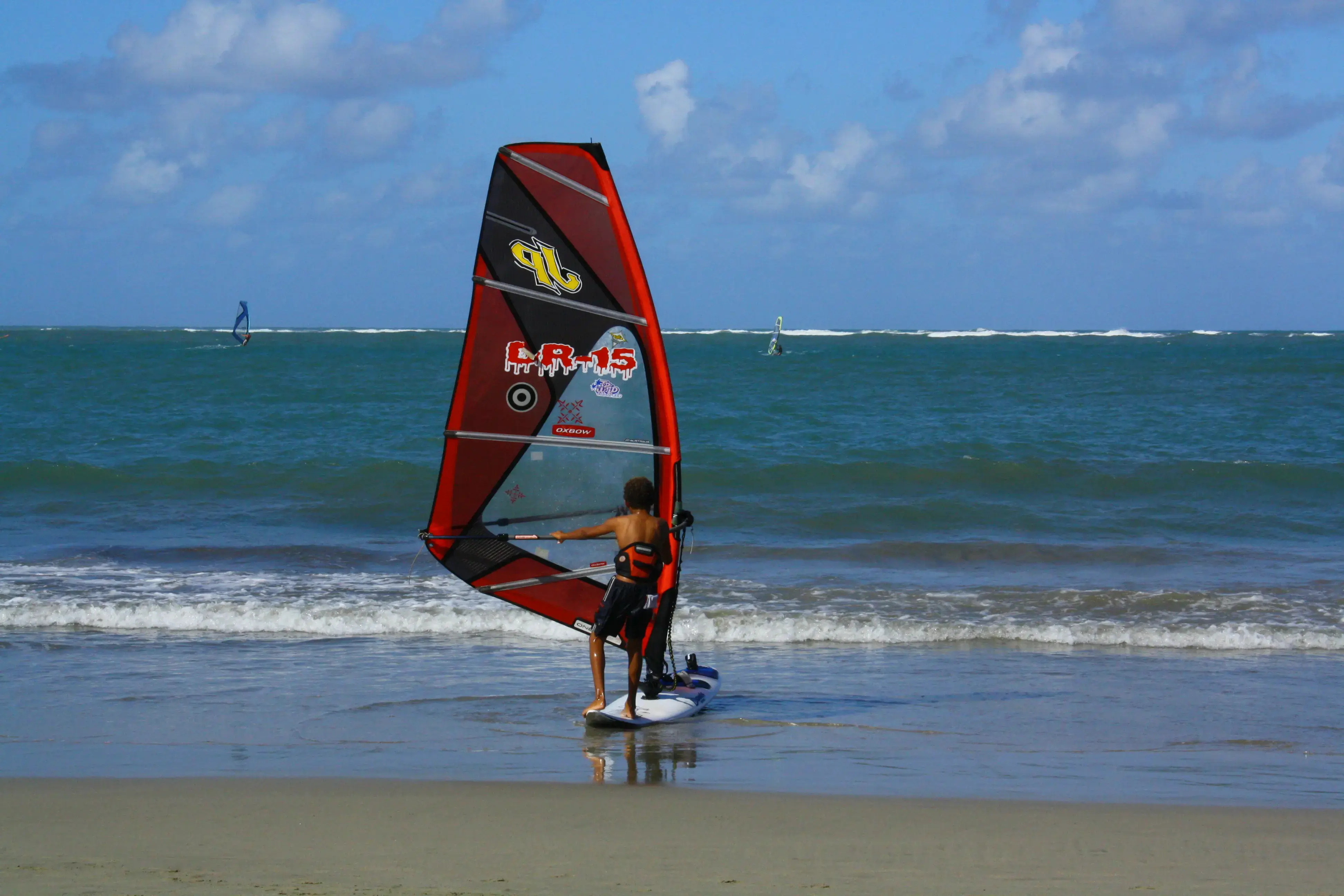
Cabarete was on the world map for windsurfing long before kiting arrived. The Cabarete Race Week — held every June — is one of the longest-running and most respected windsurfing events in the Caribbean. Several of the original windsurfing schools from the 1980s still operate on the beach.

June Race Week
05
🥾

Hiking & Waterfalls

The mountains above Cabarete are surprisingly close and largely unexplored by tourists. 27 Waterfalls of Damajagua — a series of natural limestone pools and jumps — is about 40 minutes by car. Local guides also offer hiking trips into the foothills behind town, passing through coffee plantations and small villages.

Year round
06
🍹

Beach Bars & Nightlife

The main beach road transforms after sunset. Open-air bars pour Presidente beer and rum cocktails at prices that feel almost too good to be true. Lax Beach Bar and Ojo del Agua are consistent favourites. For something more lively, the clubs and bars around the central strip run until 3–4am most nights.

Every night
The Beaches

Three beaches, three different moods

Cabarete's beaches are distinct from each other — choose based on what kind of day you're after.

Every February

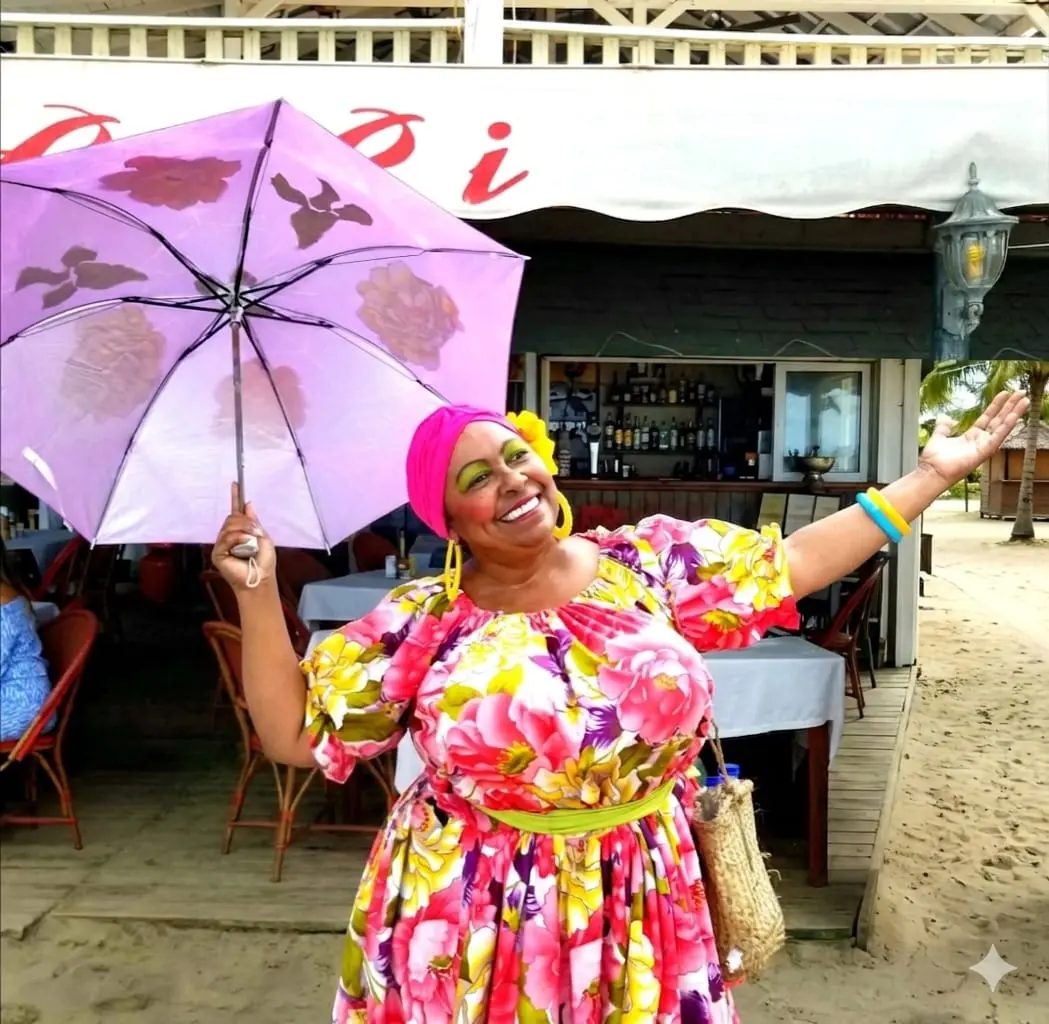
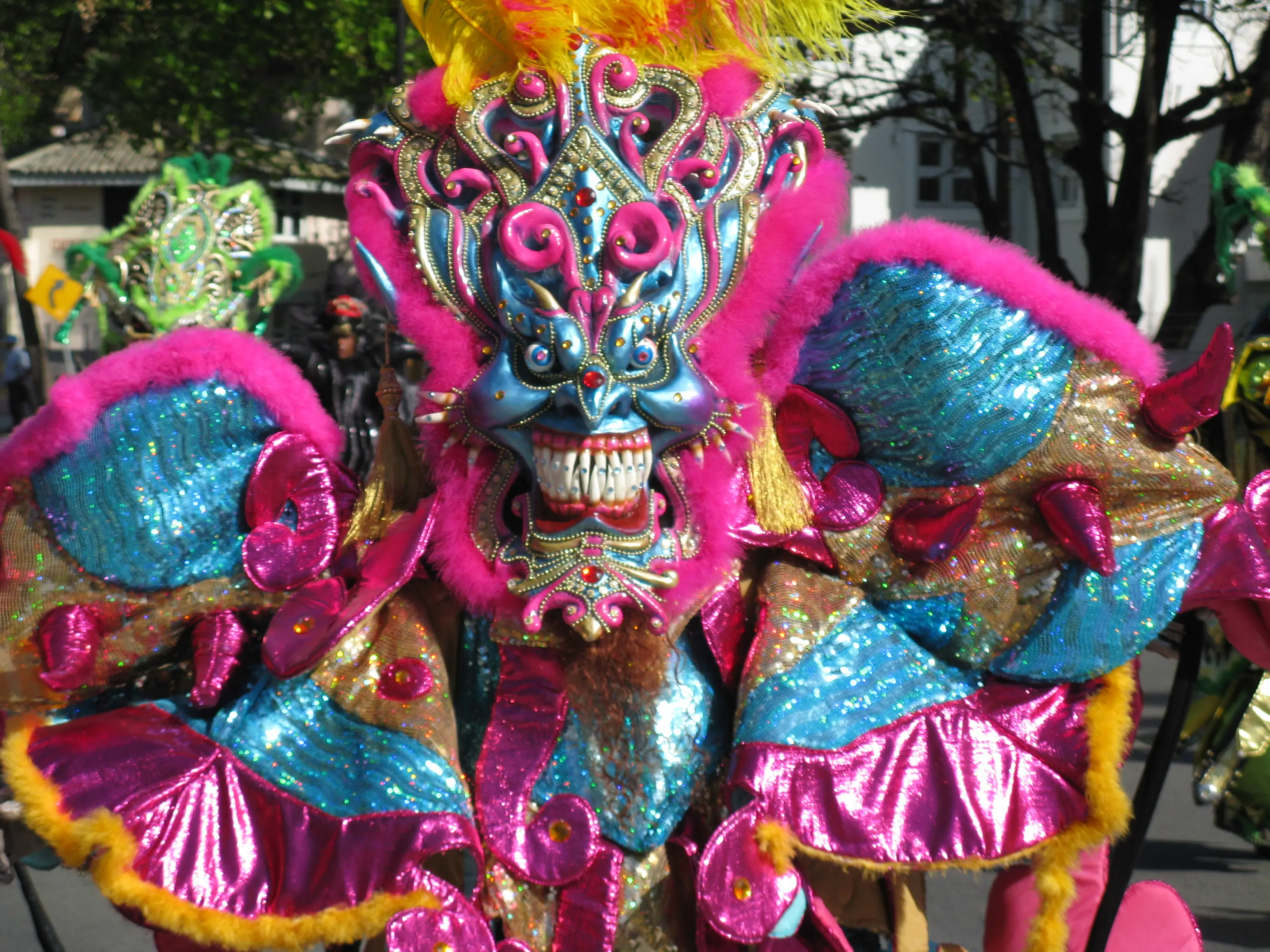
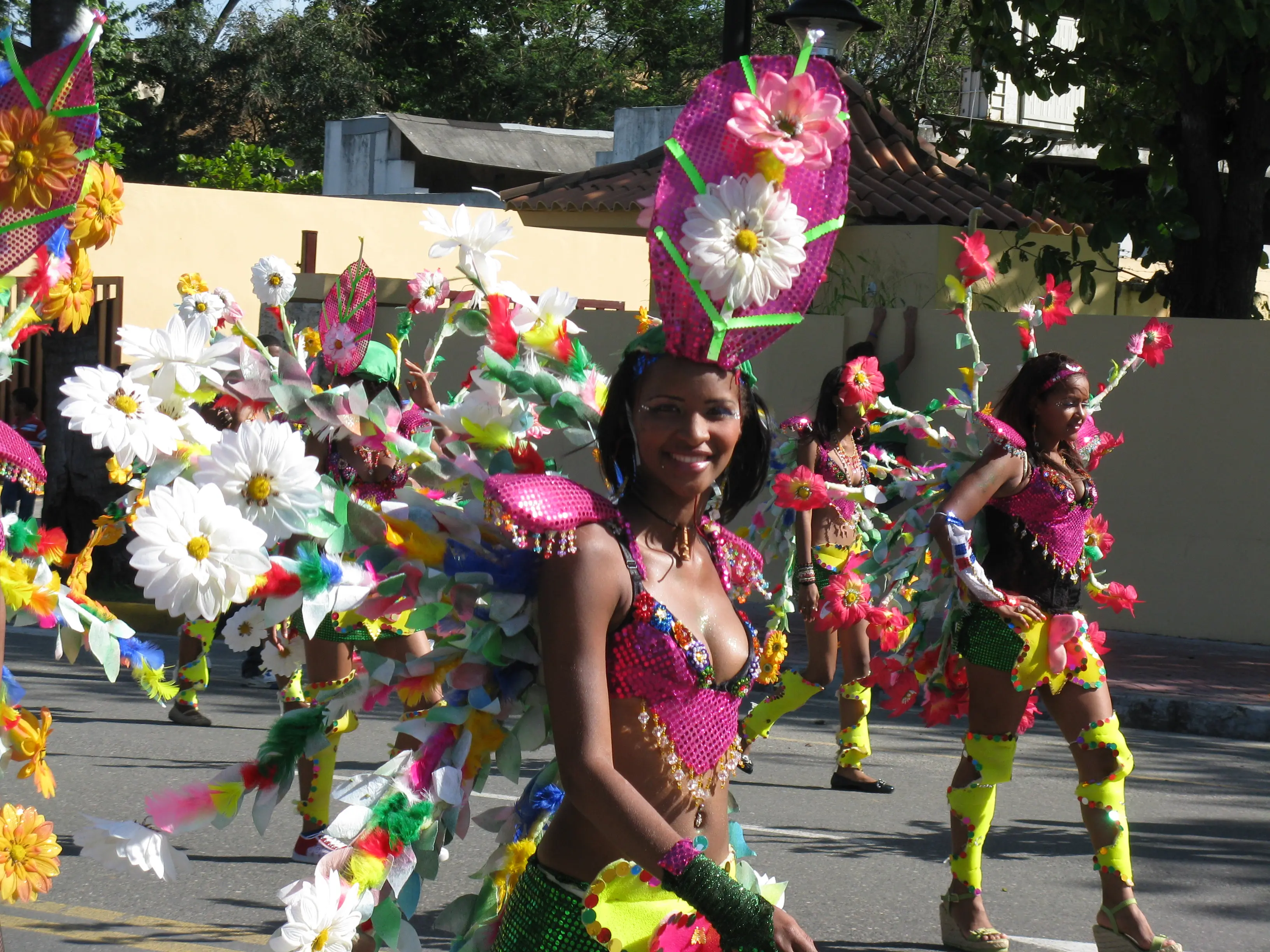
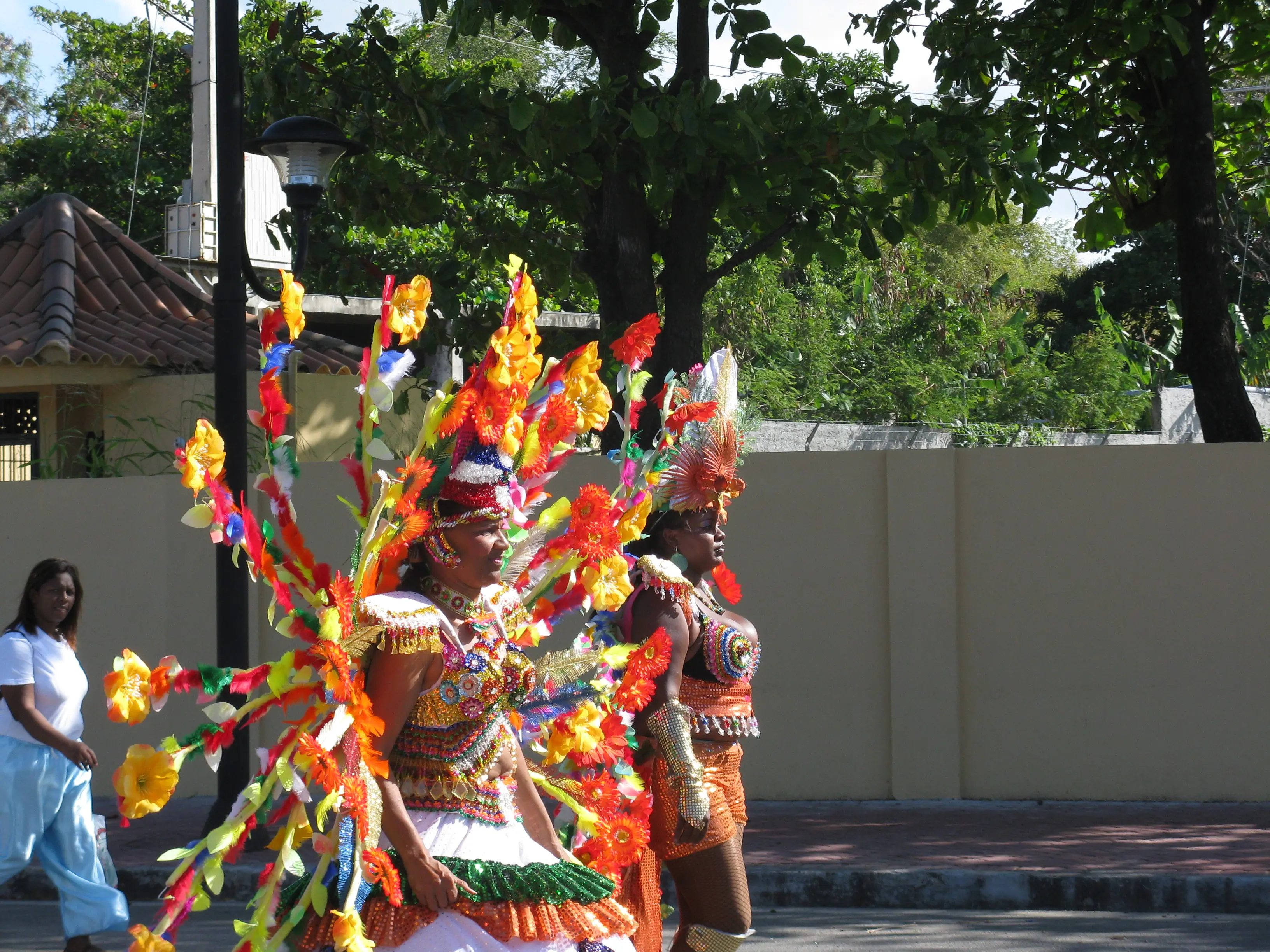
Carnaval Dominicano

The most vibrant, historic, and important cultural festival in the Dominican Republic — and Cabarete's beach is one of the best places to experience it.

Carnaval Dominicano performer in colourful floral dress on Cabarete beach
Carnaval celebrations on Cabarete beach — every February
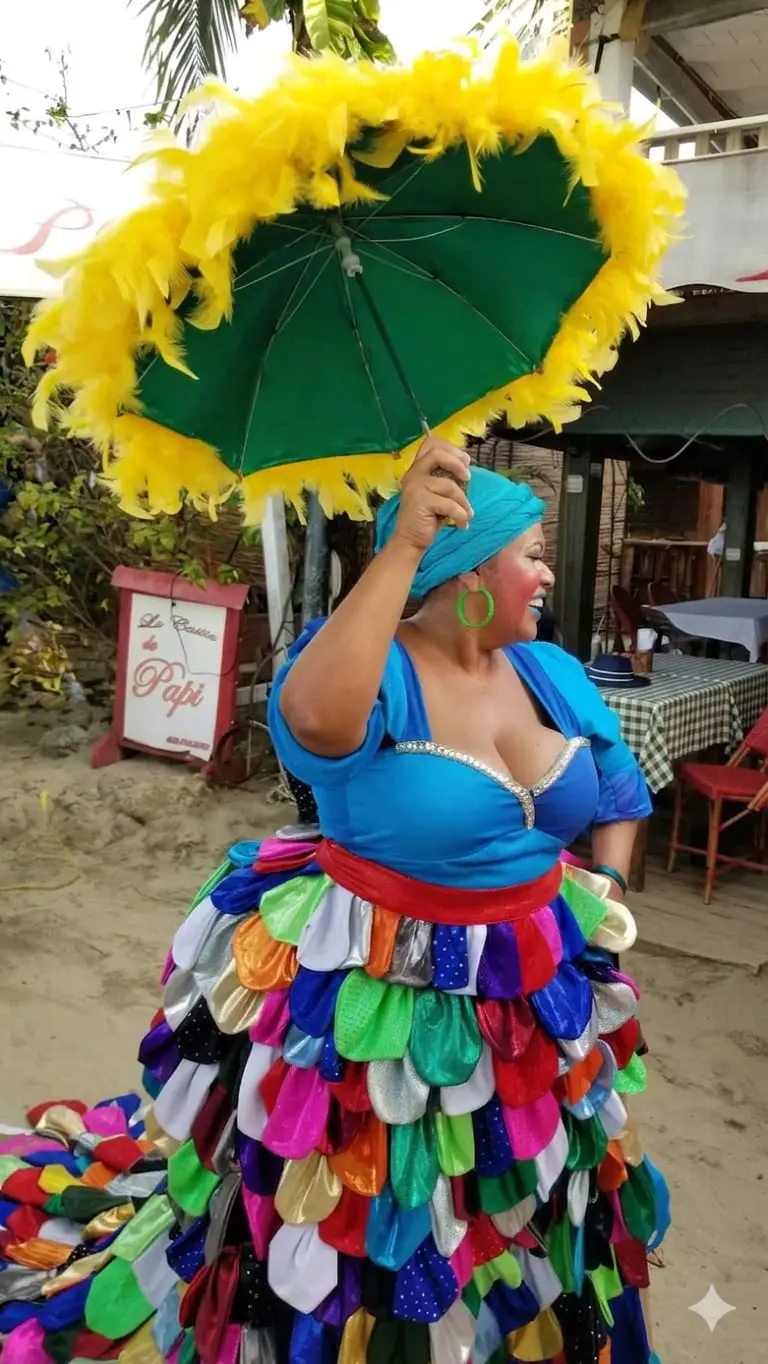
Carnaval Dominicano performer in blue dress with feathered umbrella
La Casita de Papi, Cabarete — the backdrop for the festivities
The Story Behind the Costumes

500 years of history, one month of celebration

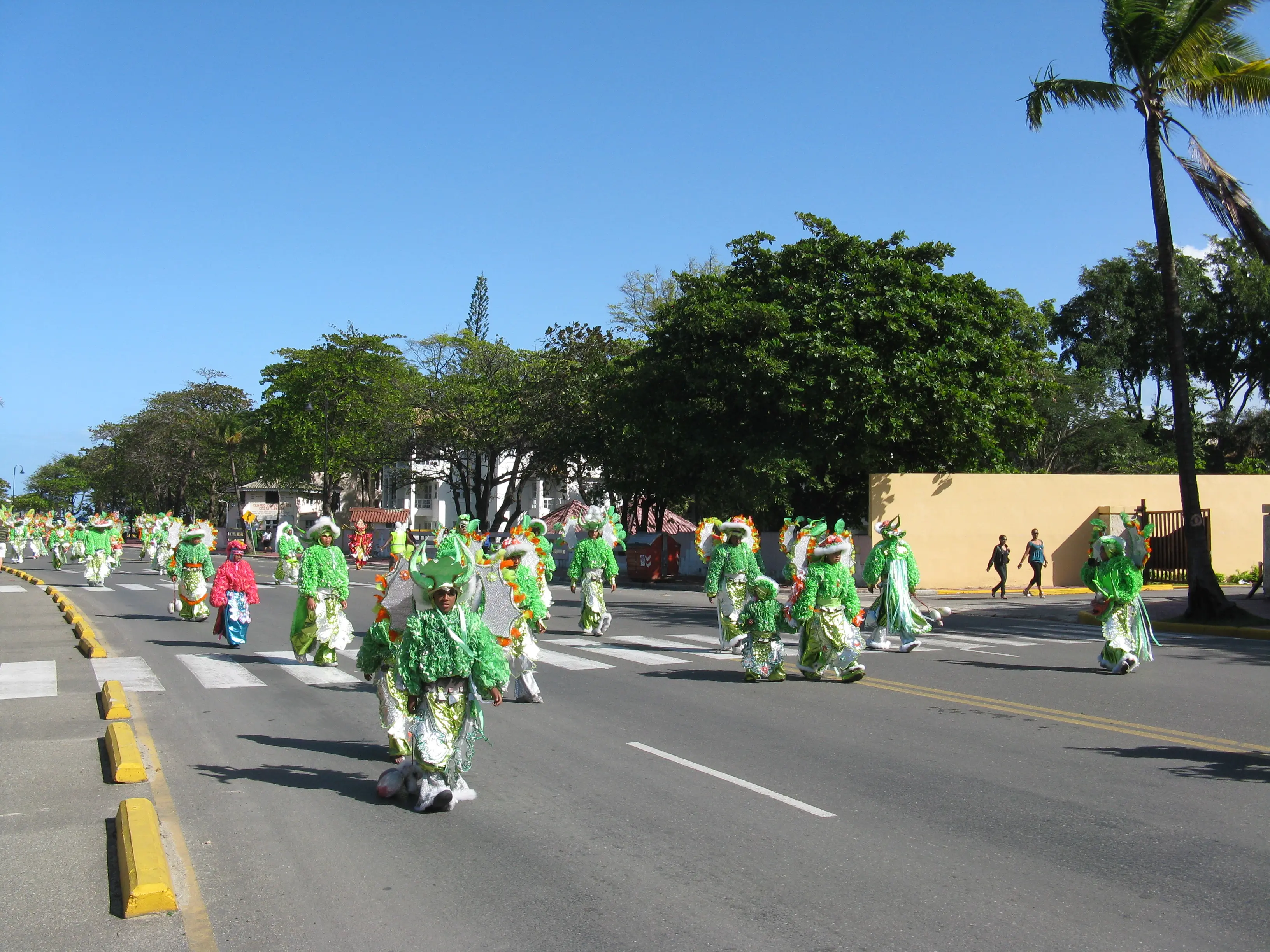
Carnaval Dominicano isn't just a party — it's a month-long cultural event that runs every Sunday throughout February and spills into early March. The timing isn't accidental: Dominican Independence Day falls on February 27th, right in the middle of it, turning the whole month into one extended national celebration. The grand finale is the National Carnival Parade along the Malecón in Santo Domingo.

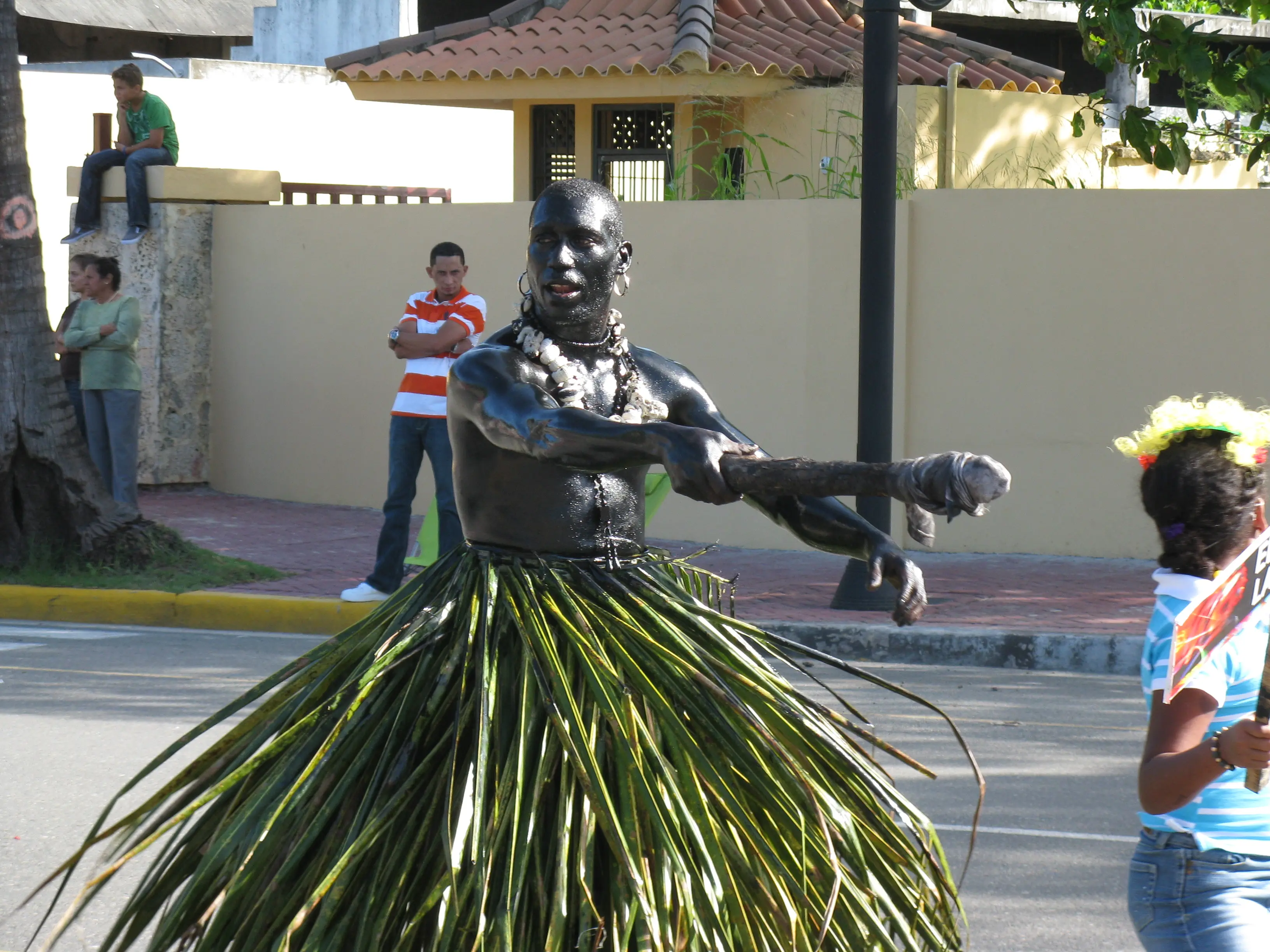
The festival's roots trace back to the 1500s when Spanish colonizers brought over the tradition of dressing as Moors and Christians. Over centuries, African and indigenous Taíno influences wove in, creating characters unique to each Dominican town. The star of the show is El Diablo Cojuelo — the Limping Devil — in terrifying handcrafted papier-mâché masks with huge teeth and horns, colourful satin suits covered in bells and mirrors. In Puerto Plata specifically, the local version is called the Taimáscaro, honouring the indigenous Taíno gods of the region.

The characters carry a vejiga — a hardened animal bladder on a rope — and playfully strike onlookers as they pass. In Dominican folklore this wasn't just a prank: the rhythmic whipping was believed to spiritually cleanse the crowd, chasing away evil spirits and bad luck. Today entire families and neighbourhoods form comparsas (troupes) and march together, preserving centuries of heritage in the most joyful way imaginable.

Photos taken on Cabarete beach during Carnaval — original photography by Costa Norte DR.

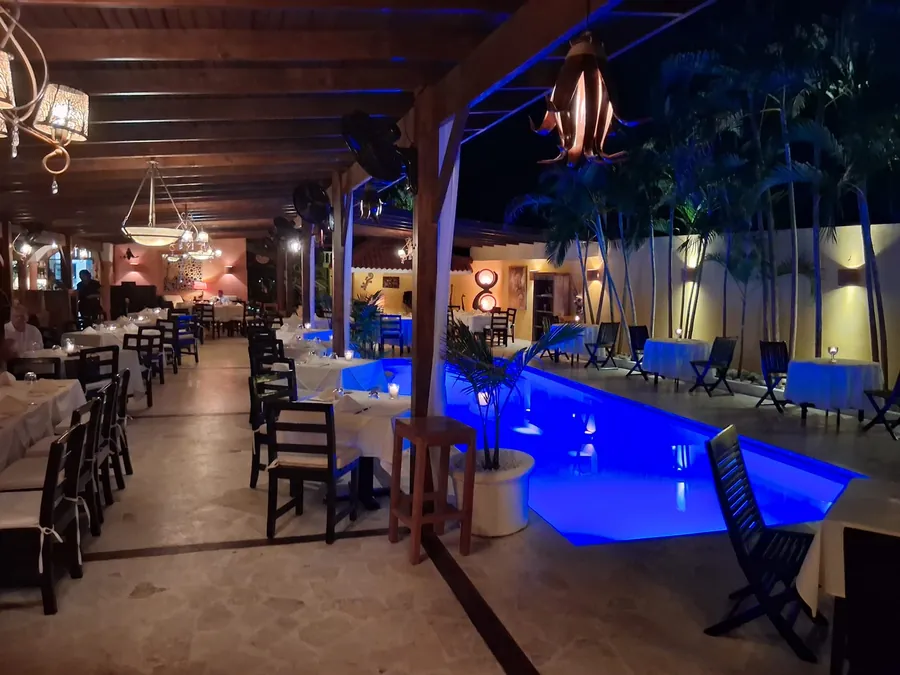
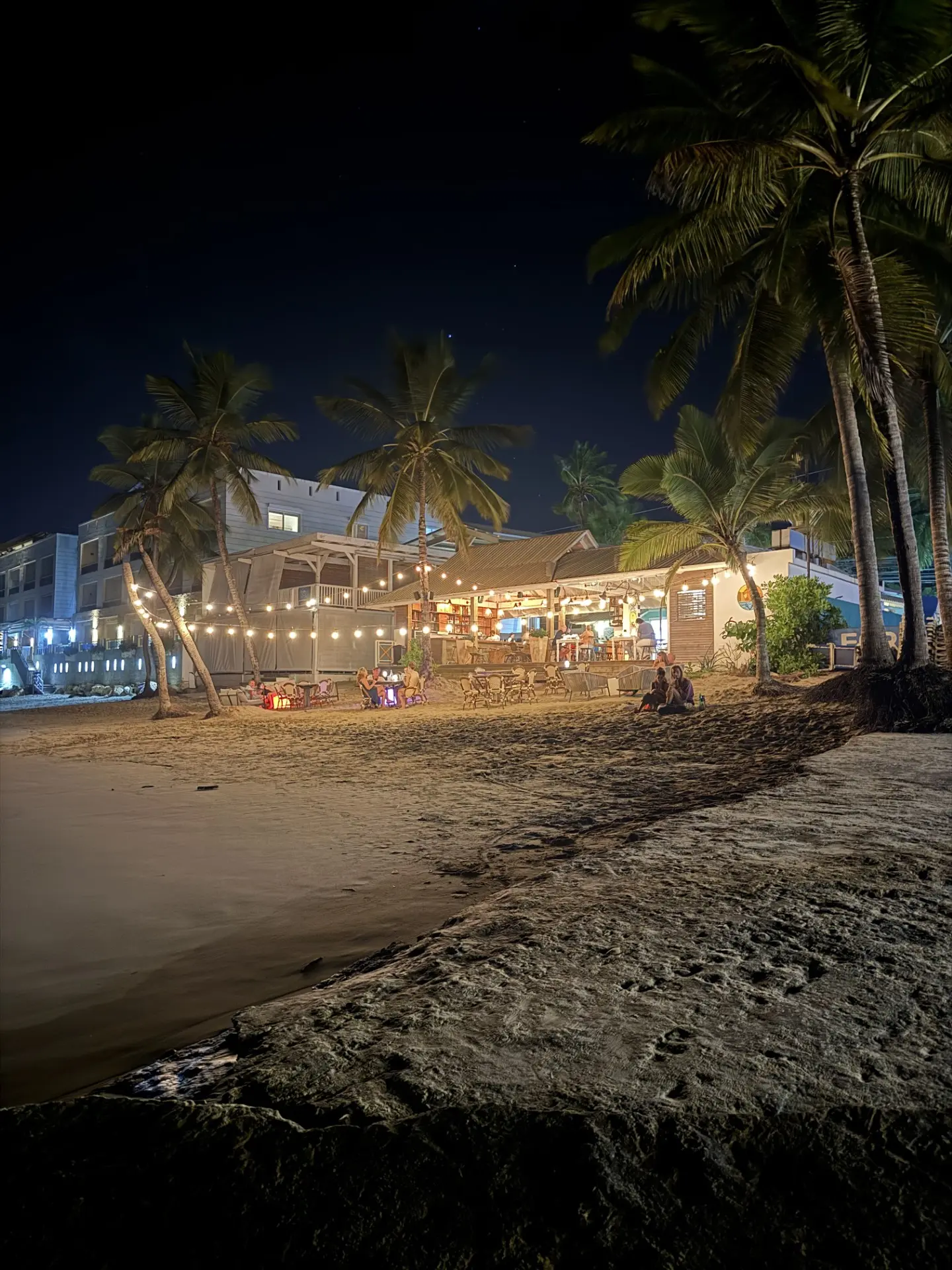
Cabarete beach at night with palm trees and fairy lights
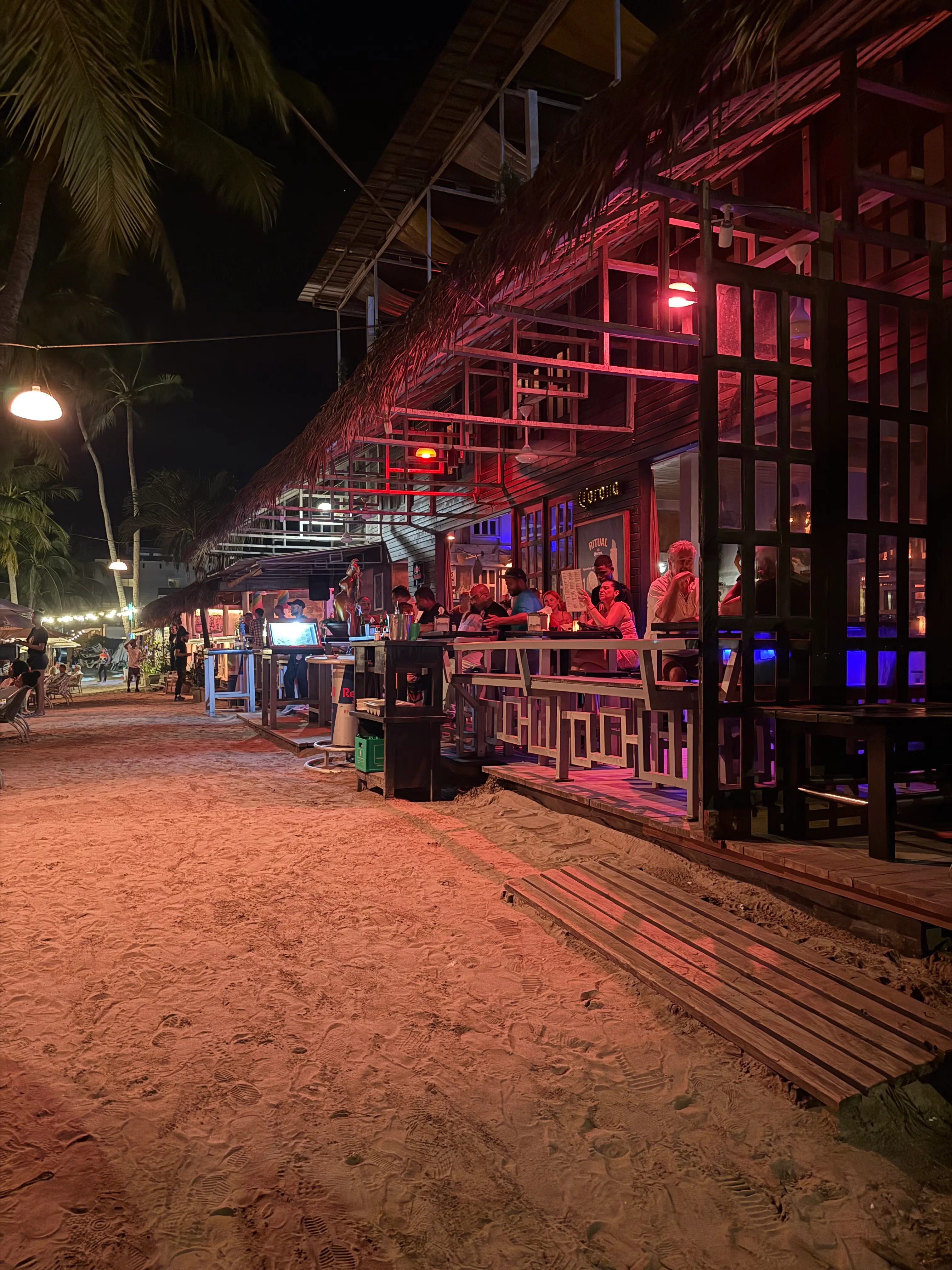
Cabarete beachfront restaurants at night
Eat & Drink

Where to go after dark

Cabarete's restaurant and bar scene punches well above the town's size — good food, cold beer, and open-air everything.

Beach Bar

Lax Beach Bar

One of the original Cabarete beach bars and still one of the best. Right on the sand, hammocks, cold Presidente, and a kitchen that does decent burgers and fresh fish until late. Popular with locals and tourists alike.

📍 Main Beach 🕐 11am–2am 💵 Budget-friendly
Restaurant

Ojo del Agua

Set back slightly from the beach with a breezy open terrace. Known for fresh seafood and good cocktails. One of the more reliable spots for a proper sit-down meal. Tends to fill up by 7pm — worth arriving early or making a reservation.

📍 Main Strip 🕐 12pm–11pm 💵 Mid-range
Beach Restaurant

La Casita de Papi

A beachfront favourite with a lively open-air terrace right on the sand. Known locally for fresh lobster at prices that would make a European restaurant blush — this is the place to order it. The setting is casual, the food is genuine, and the atmosphere on a busy night is hard to beat.

📍 Town Centre 🕐 9am–8pm 💵 Very budget-friendly
Nightclub

Bambú

The most consistent late-night option in town. Bachata and merengue earlier in the evening, electronic and reggaeton after midnight. Gets going properly around 11pm and runs until 4am on weekends. Outdoor and indoor sections.

📍 Main Strip 🕐 10pm–4am 💵 Cover charge weekends
Where to Stay

Accommodation in Cabarete

From budget guesthouses to boutique eco-resorts — Cabarete has a wide range at every price point.

Practical Information

What you need to know

Tips and facts to help you plan your Cabarete trip.

🚗 Getting Around

  • Motoconchos (motorcycle taxis) are the fastest and cheapest way to get around town
  • Shared minibuses (guaguas) run east–west along the coastal road all day for about 50 pesos
  • Car rental from Puerto Plata airport gives you the most freedom — around $35–50/day
  • Taxis are available but negotiate the fare before you get in

💰 Money & Costs

  • Currency is Dominican Pesos (DOP). USD accepted almost everywhere in tourist areas
  • ATMs available in Cabarete town centre — use bank ATMs to avoid high fees
  • Budget traveller: $40–60/day including food, accommodation, and local transport
  • Mid-range: $80–130/day with a decent hotel and restaurant meals

🌤 Weather

  • Average temperature year-round: 28–32°C (82–90°F)
  • Driest months: January to March
  • Rainiest months: May–June and October–November
  • Rain usually comes in short intense bursts, rarely lasting more than an hour

⚠️ Good to Know

  • Sun is intense — wear high SPF sunscreen, especially on the water
  • Tap water is not safe to drink — buy bottled water (it's cheap)
  • Haggling is normal in markets but not in restaurants or shops with fixed prices
  • Power outages (apagones) are common — hotels usually have generators
Keep Exploring

More of the North Coast