Sosúa Bay — best snorkelling on the coast
A sheltered horseshoe bay with calm, turquoise water and a living coral reef just metres from shore — no boat required. Sosúa is the best snorkelling beach on the entire north coast, and the calm water makes it one of the safest for swimming. The beach itself is lined with dive shops, beach bars, and vendors, giving it a busy, social energy.
The reef runs along the full length of the bay at depths of 2 to 30 metres. Sea turtles, parrotfish, nurse sharks, and angelfish are common sightings. Morning visibility is best — typically 10–20 metres on a calm day. A PADI dive course taken here is exceptional value.
Cabarete Beach — where the wind always blows
A long, wide stretch of golden sand with consistent Atlantic trade winds that have made Cabarete one of the top kitesurfing destinations in the world. Kite Beach, at the western end, is where the kiters launch. The main beach in front of the restaurants is calmer and better for swimming, though the waves are more active than Sosúa or Playa Dorada.
The beach is at its most atmospheric in the late afternoon — kites stacking overhead, cold beers at the beachside bars, and the whole town spilling out onto the sand. One of the most energetic beach scenes in the Caribbean. Not the place for a quiet day, but the place for an unforgettable one.
Playa Dorada — the classic resort beach
A well-maintained, 1km stretch of beach backed by the Playa Dorada resort complex — one of the largest concentration of all-inclusive hotels on the north coast. The water is calm and safe for swimming, the sand is clean, and facilities are good. The BlueBay Villas Doradas and Casa Colonial sit directly on the beach here.
Non-guests can access the public eastern section of the beach. For a full resort-beach experience — sunloungers, watersports, swim-up bars — this is the spot. Less interesting culturally than Cabarete or Sosúa, but unbeatable for pure ease and comfort.
Playa Grande — the most dramatic beach on the coast
A wide, wild, 2km arc of golden sand backed by green cliffs and Atlantic surf. Playa Grande is the most visually dramatic beach on this coast — and because it's remote, it's rarely crowded. The waves here are strong, with an Atlantic swell that makes swimming for anyone other than confident swimmers unwise in peak conditions.
The drama of the setting — cliffs, surf, forested backdrop — is unlike anything else on the north coast. There's a small restaurant and some beach vendors, but otherwise it's raw and natural. The drive east from Puerto Plata along the coast road is itself worth the trip. Go for the scenery even if you don't swim.
Perla Marina — the quieter beach between the towns
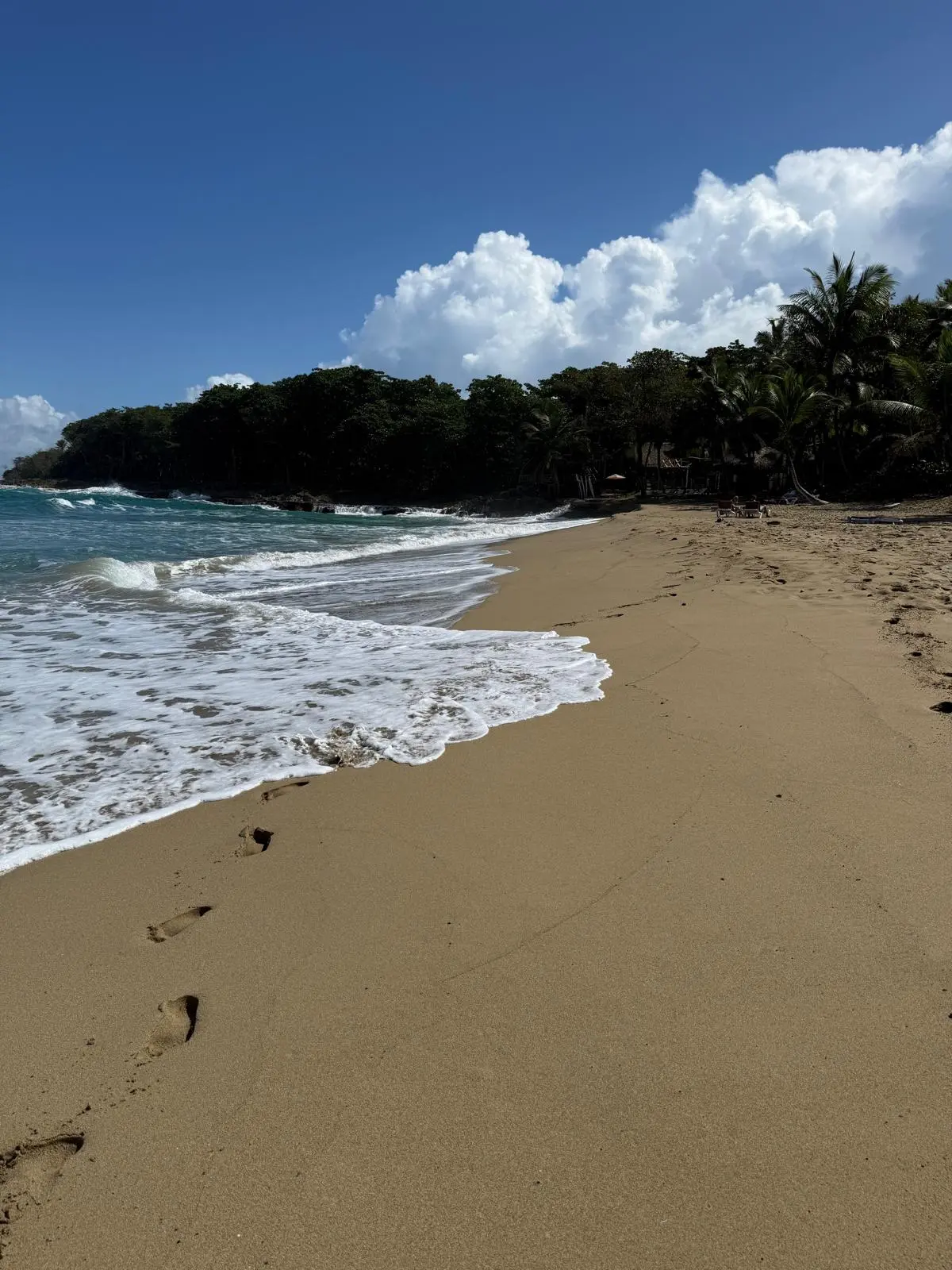
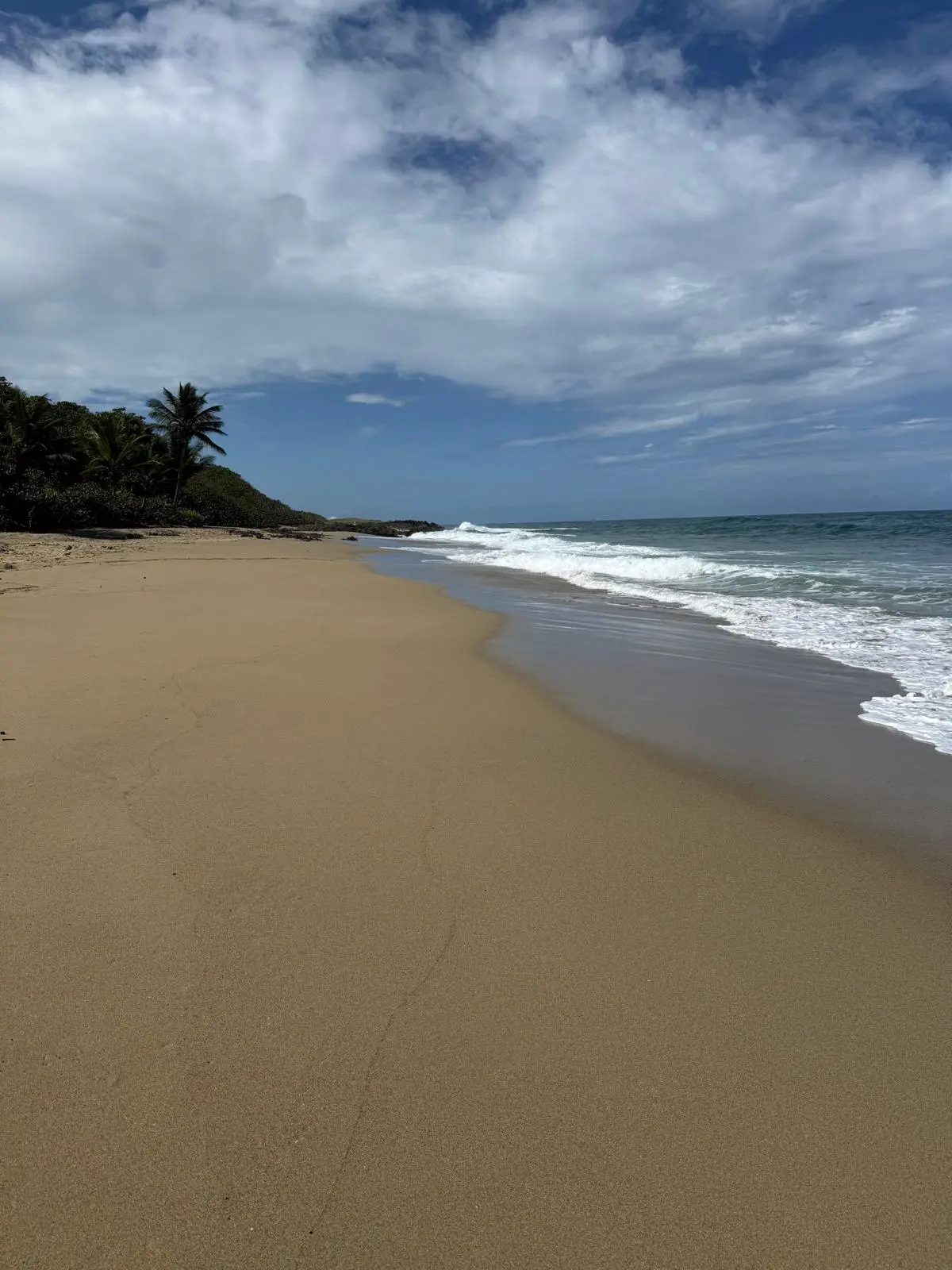
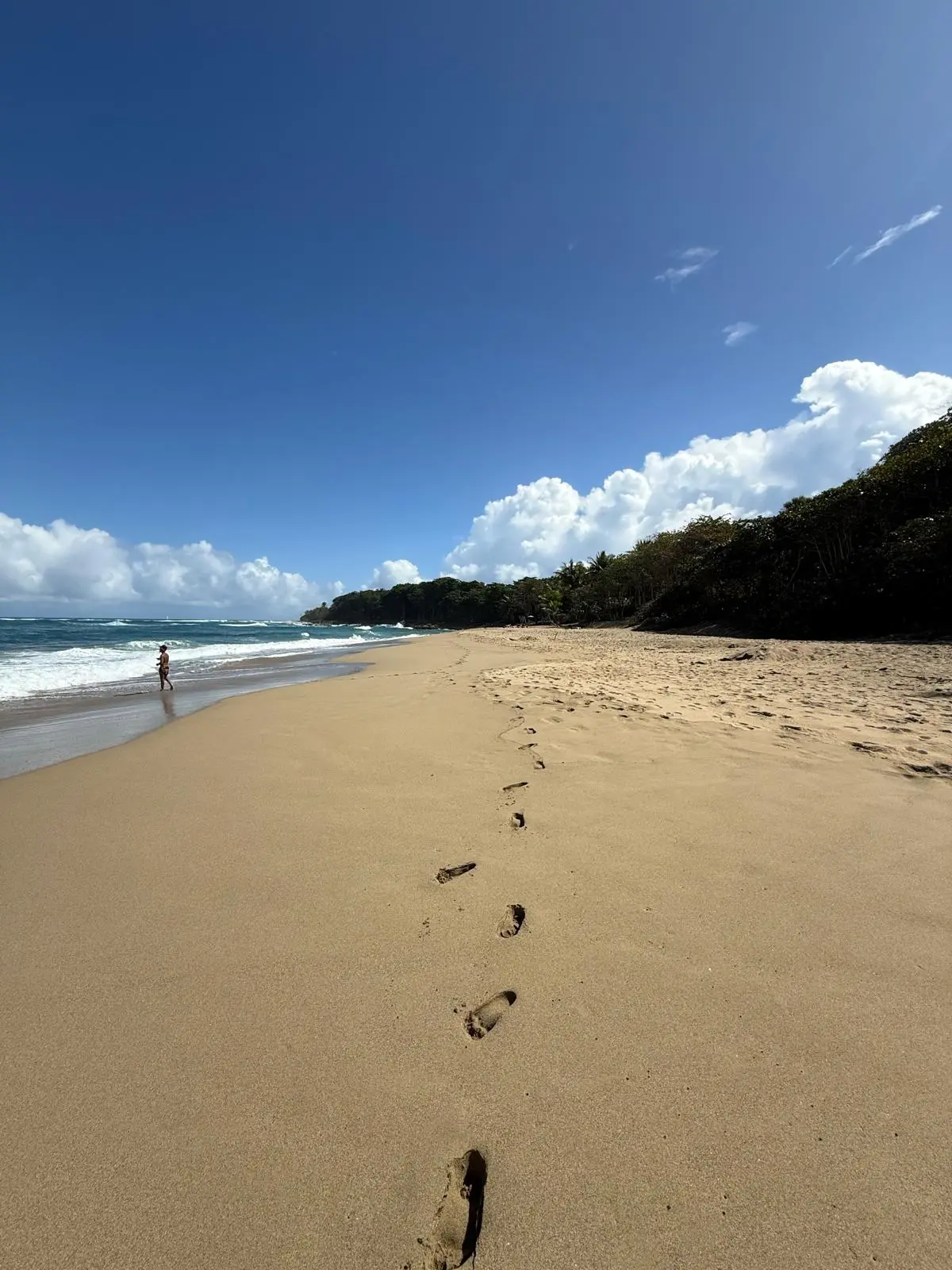
Tucked between Sosúa and Cabarete on a stretch of coast most visitors drive straight past, Perla Marina is a quieter, less-visited beach with a more relaxed feel than either of its neighbours. The water is rougher than Sosúa bay — Atlantic waves rather than a sheltered cove — but that's part of the appeal. Good for walking, watching the waves, and feeling like you've escaped the tourist trail.
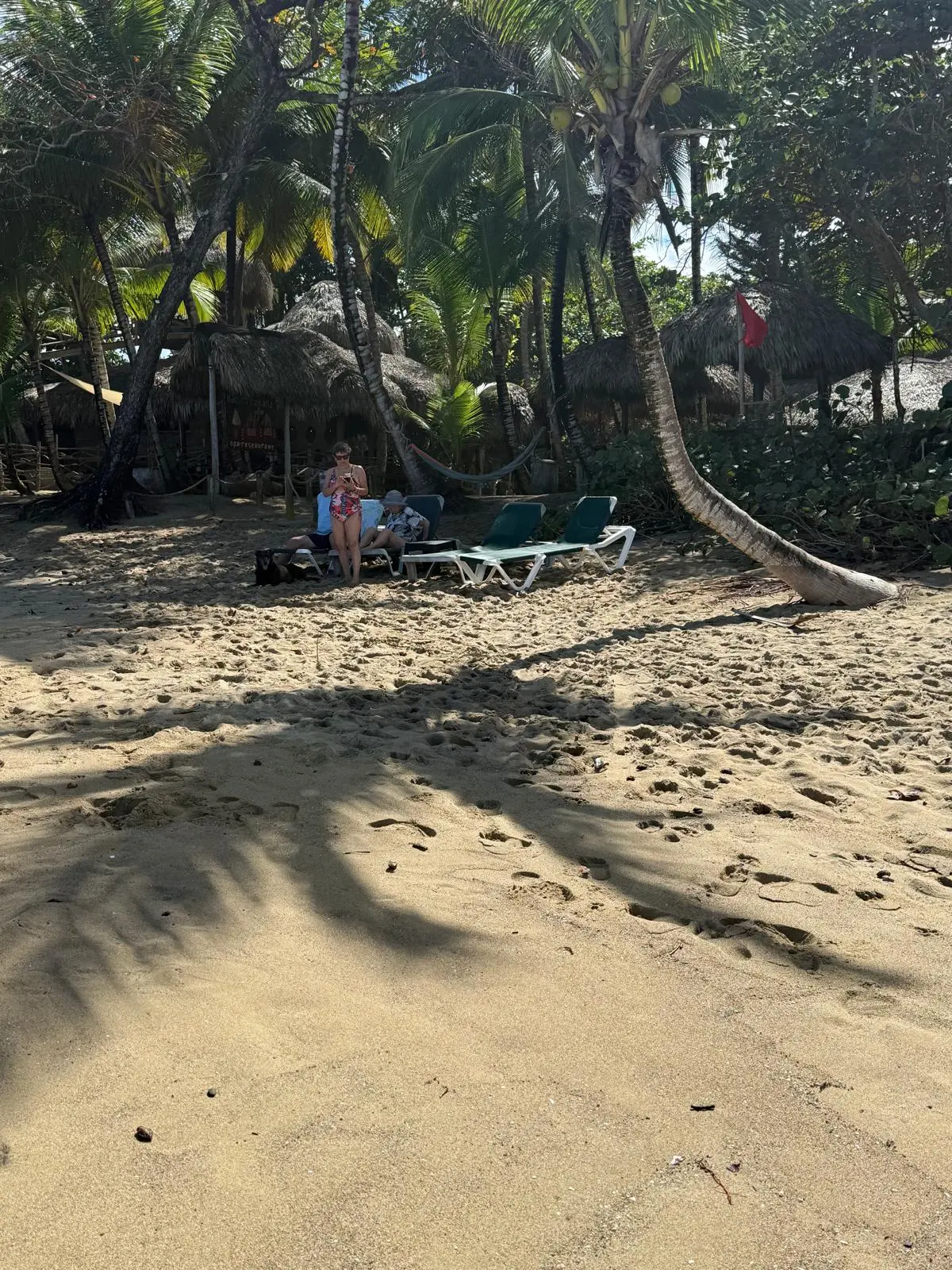
The standout reason to come here is Natura Cabana Boutique Hotel & Spa — a genuine contender for the best small hotel on the coast. Twelve unique eco-bungalows built from natural materials (mahogany, bamboo, coral stonework), two beachfront restaurants, a yoga temple open to the ocean, and the Attabeyra Spa offering massages, facials, and body treatments. Even if you're not staying, the Karaya restaurant is worth a visit for lunch on the beach. Live music on Saturday evenings.
Playa Caletón — a sheltered cove locals love
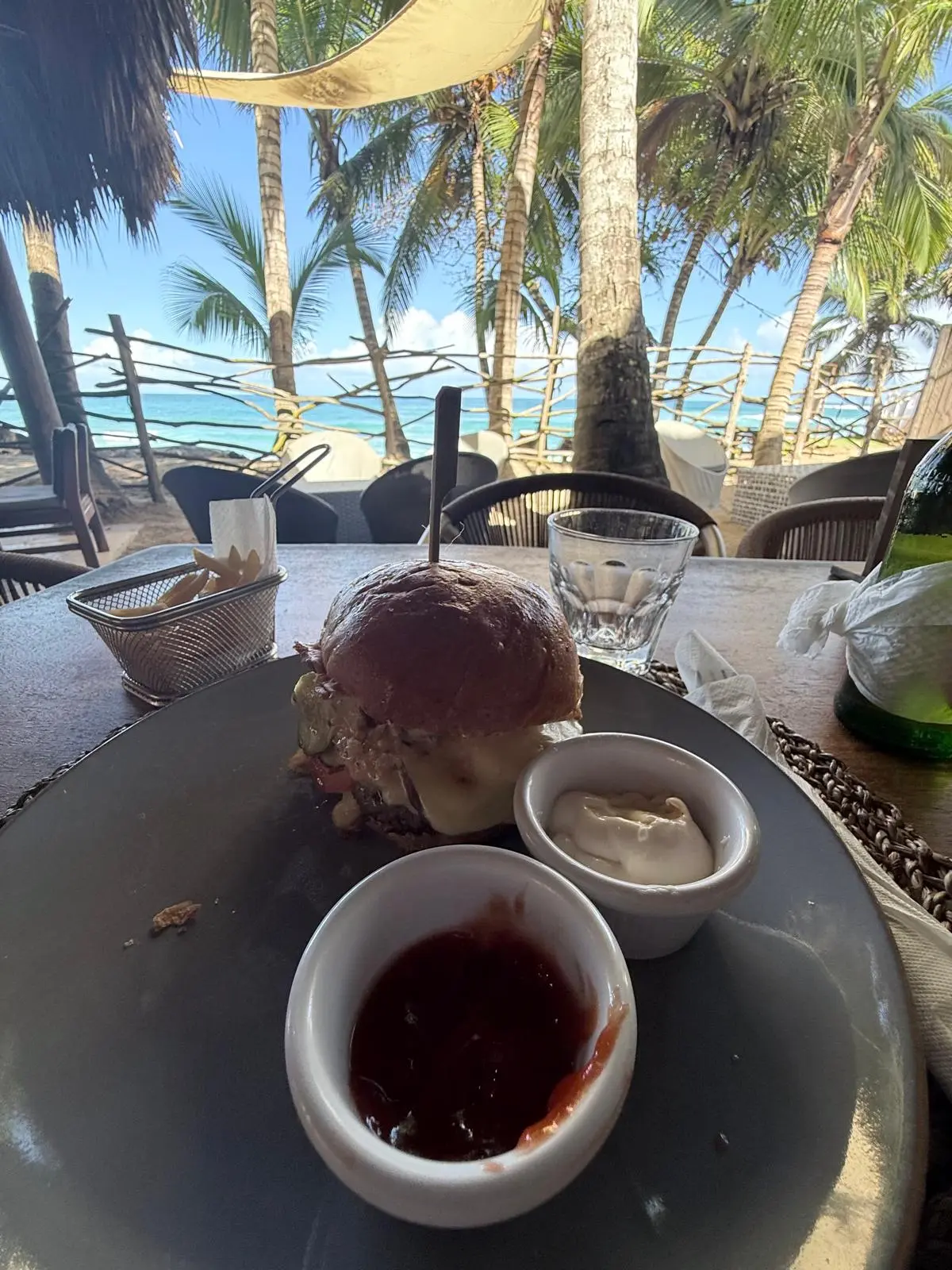
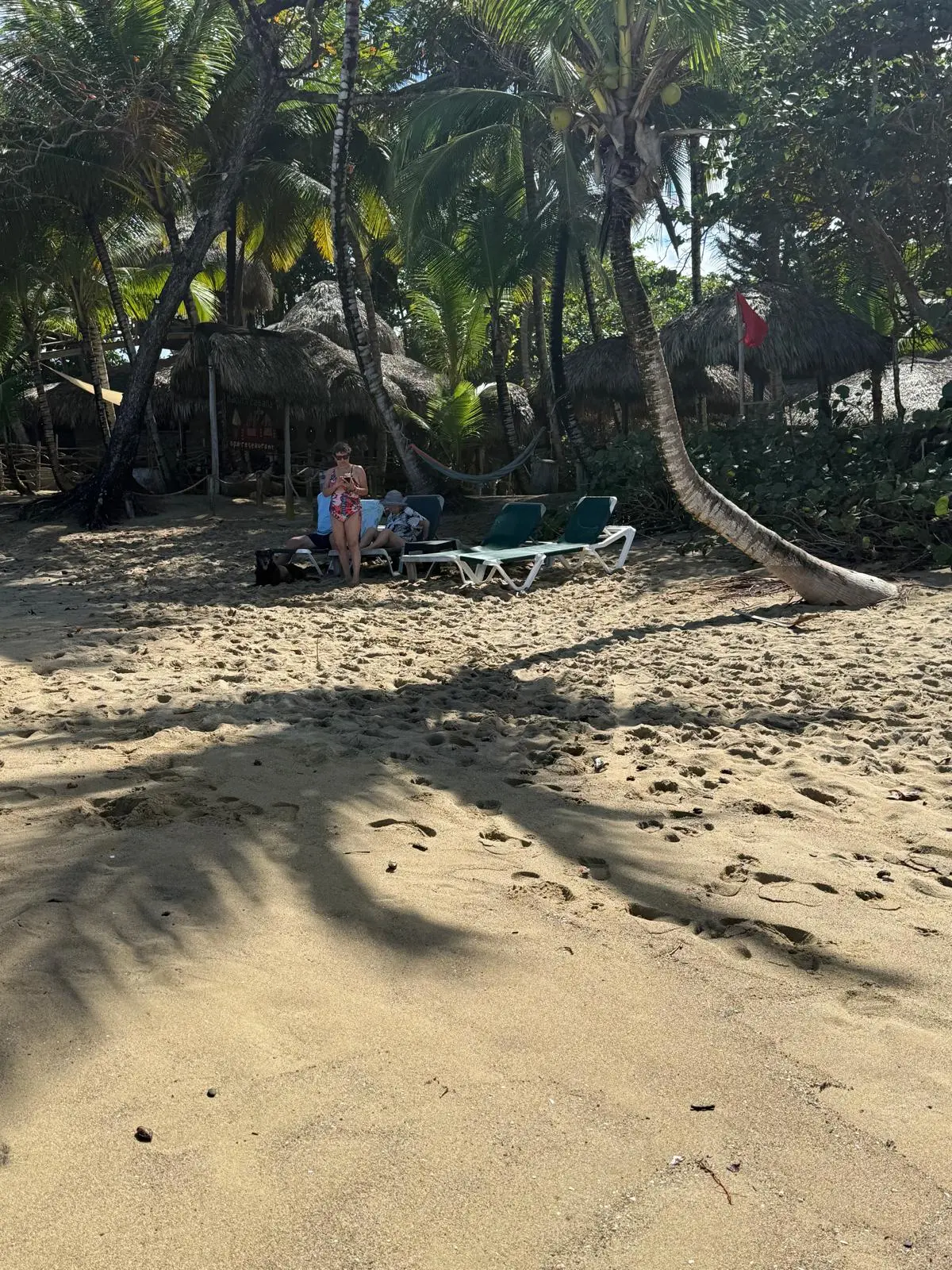
Playa Caletón is a small horseshoe cove on the eastern edge of Río San Juan, sheltered by rocky headlands that keep the water calm, clear, and ideal for swimming. It's often visited as the final stop on a Laguna Gri Gri boat tour, but it's equally worth coming to independently — a short walk or motoconcho ride from town.
On weekdays it's quiet and uncrowded. On weekends Dominican families arrive with music, cold drinks, and grills — honestly the better version of this beach. Fresh fish from the small comedores behind the sand, cold Presidente, and a sheltered cove with turquoise water. This is what the north coast looks like when it's not performing for tourists.